

Over the past 48 hours, world attention has turned sharply to Venezuela after a dramatic U.S. military operation resulted in the capture of Venezuelan President Nicolás Maduro and his wife, Cilia Flores, and their transfer to the United States.
In an unprecedented move, U.S. forces carried out a nighttime operation in Caracas. After airstrikes and a swift extraction, Maduro and Flores were taken on a U.S. military aircraft to New York, where they will face federal charges — including alleged drug trafficking and narco-terrorism counts in a Manhattan federal court.
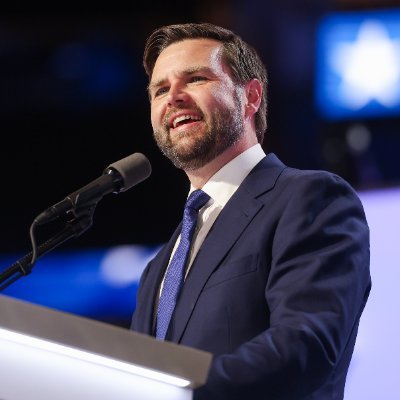
You see a lot claims that Venezuela has nothing to do with drugs because most of the fentanyl comes from elsewhere. I want to address this: First off, fentanyl isn't the only drug in the world and there is still fentanyl coming from Venezuela (or at least there was). Second, cocaine, which is the main drug trafficked out of Venezuela, is a profit center for all of the Latin America cartels. If you cut out the money from cocaine (or even reduce it) you substantially weaken the cartels overall. Also, cocaine is bad too! Third, yes, a lot of fentanyl is coming out of Mexico. That continues to be a focus of our policy in Mexico and is a reason why President Trump shut the border on day one. Fourth, I see a lot of criticism about oil. About 20 years ago, Venezuela expropriated American oil property and until recently used that stolen property to get rich and fund their narcoterrorist activities. I understand the anxiety over the use of military force, but are we just supposed to allow a communist to steal our stuff in our hemisphere and do nothing? Great powers don't act like that. The United States, thanks to President Trump's leadership, is a great power again. Everyone should take note.
The operation, dubbed Operation Absolute Resolve by U.S. authorities, appears to be the climax of months of American pressure, including warnings to Venezuelan officials and a high reward for information leading to Maduro’s arrest. U.S. leaders — including President Donald Trump — have said the mission was aimed at stopping the flow of illegal drugs, cracking down on corruption, and enforcing U.S. law.
Vice President JD Vance has been among senior U.S. officials defending the strike and the broader policy context. In comments on social media and to reporters this weekend, Vance stressed that the drug issue connected to Venezuela goes beyond a focus on fentanyl alone. He said cocaine and other drugs also flow out of Venezuela and that the country ignored multiple earlier offers to resolve U.S. concerns before the military action.
Vance framed the recent actions not as narrow enforcement against one substance, but as part of a broader national security effort. He argued that Venezuela was given opportunities to change course before the operation and that the U.S. had been clear that drug trafficking must end — and that Maduro had chosen to defy those offers.
The capture and transfer of a sitting foreign president to face U.S. charges is without recent precedent and has sparked major debate. Supporters praise it as a strong stand against criminal networks and a necessary enforcement of justice. Critics — both in the United States and internationally — call it a violation of international law and Venezuelan sovereignty. Countries across Latin America and beyond have reacted with concern, and some legal experts have said the operation raises serious questions under international norms.
In Venezuela, Vice President Delcy Rodríguez declared herself acting president under the constitution and insisted Maduro remains the rightful leader, even while he is in U.S. custody.
As Maduro prepares to appear in federal court in New York early this week, and as Washington and allied governments respond to global reactions, the events of the past two days have transformed both U.S.–Venezuela relations and the ongoing debate over how the United States addresses drug trafficking, foreign leadership, and enforcement policy. Vance’s recent remarks underscore a broader argument that the drug debate must be more than one-dimensional — and that Venezuela’s role in that debate can’t be ignored.